


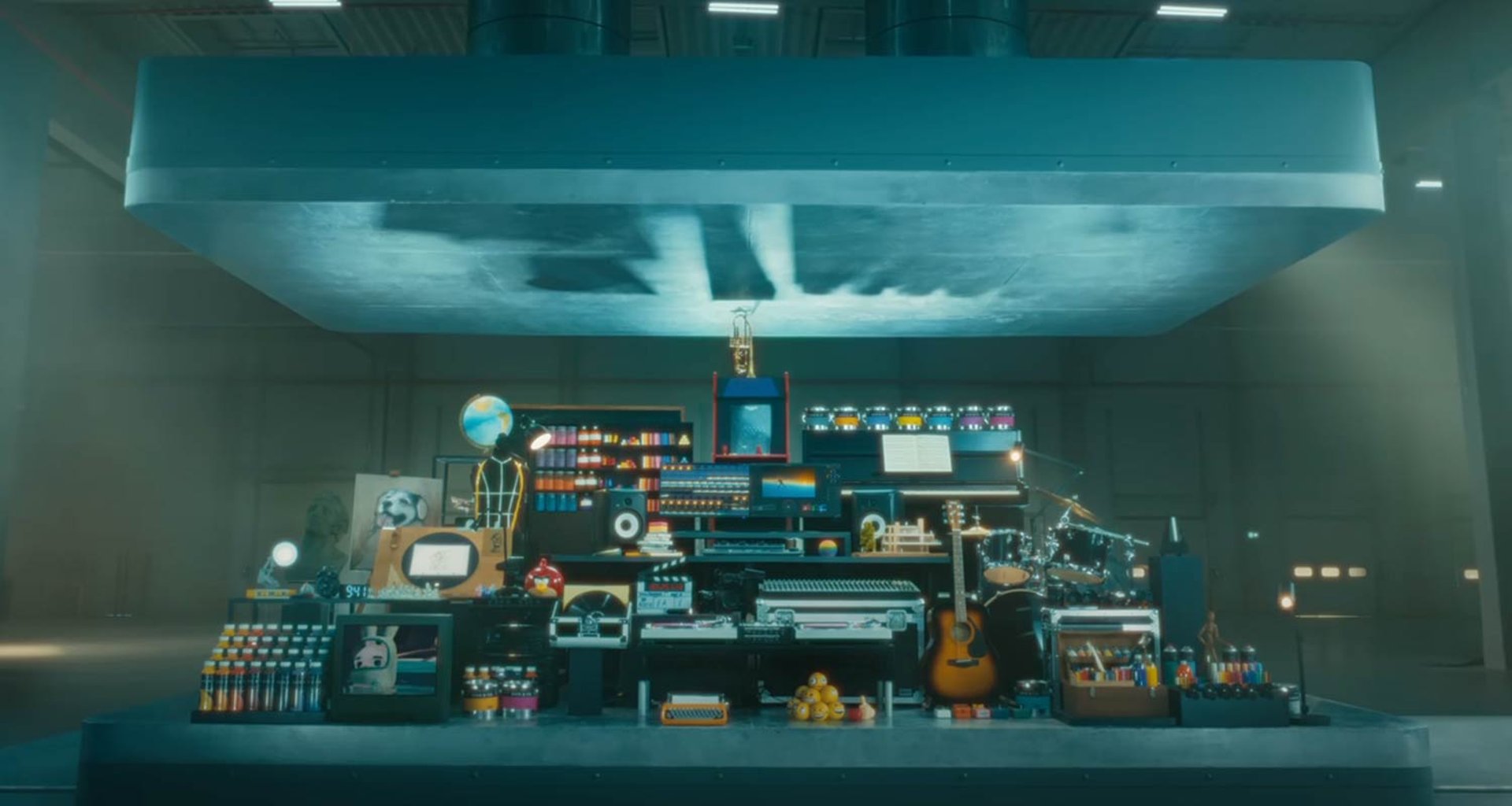
Understanding obsolescence: a complex challenge with many faces
When we think of obsolescence, we often imagine a smartphone that has become too slow or a computer that is impossible to update. However, obsolescence takes many other forms: technical, functional, economic, aesthetic, ecological, etc. Each acts differently, but all weaken products, businesses, and consumers. At Greentrack Genius, we go beyond identifying these risks: we anticipate and manage them holistically. Thanks to an approach that integrates the 26 types of obsolescence, we help our clients transform this challenge into a sustainable advantage.
9/9/20253 min read
What is obsolescence?
When you hear the word obsolescence, what comes to mind? Most people think of their phone becoming outdated and needing to be changed. However, it is not limited to technology. In fact, there are 26 types of obsolescence.
Here are a few examples:
Technological obsolescence
This occurs when newer technology renders existing products obsolete, either because their performance becomes insufficient or because they are no longer compatible with new generations of technology (Tollemer, 2012). This phenomenon is more common in fast-moving industries such as electronics, information technology, and telecommunications. For example, older versions of software may no longer be compatible with new operating systems or hardware, forcing users to upgrade. Regarding software, Windows 10 will soon stop receiving updates, security fixes, and technical support, and if users do not want to update their software, security updates will no longer be free. Windows 11 requires a specific component, TPM 2.0. According to Canalys Research (2023), this could render approximately 20% of the global IT park obsolete (Sriram, 2023). The same is true for smartphones: each new iPhone model release pushes older models toward obsolescence.
Functional obsolescence
Even if a product still works, it can lose value if it no longer meets current needs (Cooper, 2004). For example, cars are equipped with features adapted to local needs. In cold countries with harsh winters like Canada, heating is essential, while in tropical countries like Burkina Faso, air conditioning is a much more relevant feature. In this context, heating becomes functionally obsolete.
Economic obsolescence
In this type of obsolescence, it is not the product’s technical performance that poses a problem, but external economic factors (cost of use, maintenance, or repair) that compromise its viability (Tollemer, 2012). Thus, when the cost of a retrofit exceeds that of purchasing a new machine, the financial viability of maintaining the old equipment disappears: investing no longer makes sense, and it is then considered obsolete from an economic point of view. For us, it is essential to offer viable solutions to address obsolescence, so that ecology does not remain a privilege reserved for those who can afford it.
Aesthetic obsolescence
This typology is based on consumer perception: a product may be deemed old or outdated, not because it is defective, but because it no longer corresponds to tastes or trends (Tollemer, 2012). This often leads to overconsumption and waste as consumers replace perfectly functional items to remain current with trends. This is particularly prominent in the fashion industry (“fast fashion”). Clothes are bought for a microtrend and end up in donation bins after a few weeks. As a result, clothing life cycles are becoming increasingly shorter.
Ecological obsolescence
As environmental standards evolve, older products can become noncompliant. Governments change regulations based on these technological advancements and evolving societal values. Manufacturers and consumers are obliged to follow, which then renders older and nonregulatory-compliant technology obsolete (Déméné, Marchand, 2015). For example, in McDonald's restaurants around the world, plastic straws and other single-use items have been replaced with biodegradable alternatives, in response to government regulations on plastic and the company's commitments to corporate social responsibility (CSR).
Obsolescence takes many forms, but they all require one thing: smart management.
Where do we come in?
Understanding obsolescence is one thing, and managing it is another. This is where we step in. At Greentrack Genius, we don’t just identify obsolescence risks, but we proactively manage it from the start.
For each project, we build a comprehensive specification tailored to the client’s needs. This means we work in full batches rather than isolated fixes, considering not only the technical aspects of a component but also factual data such as supplier stability, market availability, and compliance with evolving regulations. Our analysis also integrates the 26 obsolescence typologies, which allows us to offer a 360° view.
While many competitors focus mainly on parts lists or partial monitoring, we favor a comprehensive approach that integrates all parameters to offer sustainable and long-term solutions. In other words, we don’t just help you react to obsolescence; we help you stay ahead of it.
References:
1. Sriram, A. Microsoft ending support for Windows 10 could send 240 mln PCs to landfills – report [Online]. 21 December 2023. [Accessed 25 August 2025]. Available at: https://www.reuters.com/technology/microsoft-ending-support-windows-10-could-send-240-mln-pcs-landfills-report-2023-12-21/
2. COOPER, T. Inadequate Life? Evidence of Consumer Attitudes to Product Obsolescence. Journal of Consumer Policy. 2004. Vol. 27, p. 421-449. [Accessed 25 August 2025]. DOI: https://doi.org/10.1007/s10603-004-2284-6
3. DÉMÉNÉ, C. and MARCHAND, A. L’obsolescence des produits électroniques : des responsabilités partagées [Online]. Les ateliers de l’éthique. 2015. Vol.10, n°1, p. 4-32. [Accessed 25 August 2025]. DOI: https://doi.org/10.7202/1032726ar. Available at: https://www.erudit.org/en/journals/ateliers/2015-v10-n1-ateliers02042/1032726ar
4. TOLLEMER, L. L’obsolescence programmée. 2012. Montpellier: Université de Montpellier. 1, 2011‑11.